
Cialis (Tadalafil): An Evidence‑Based Review in Plain Language
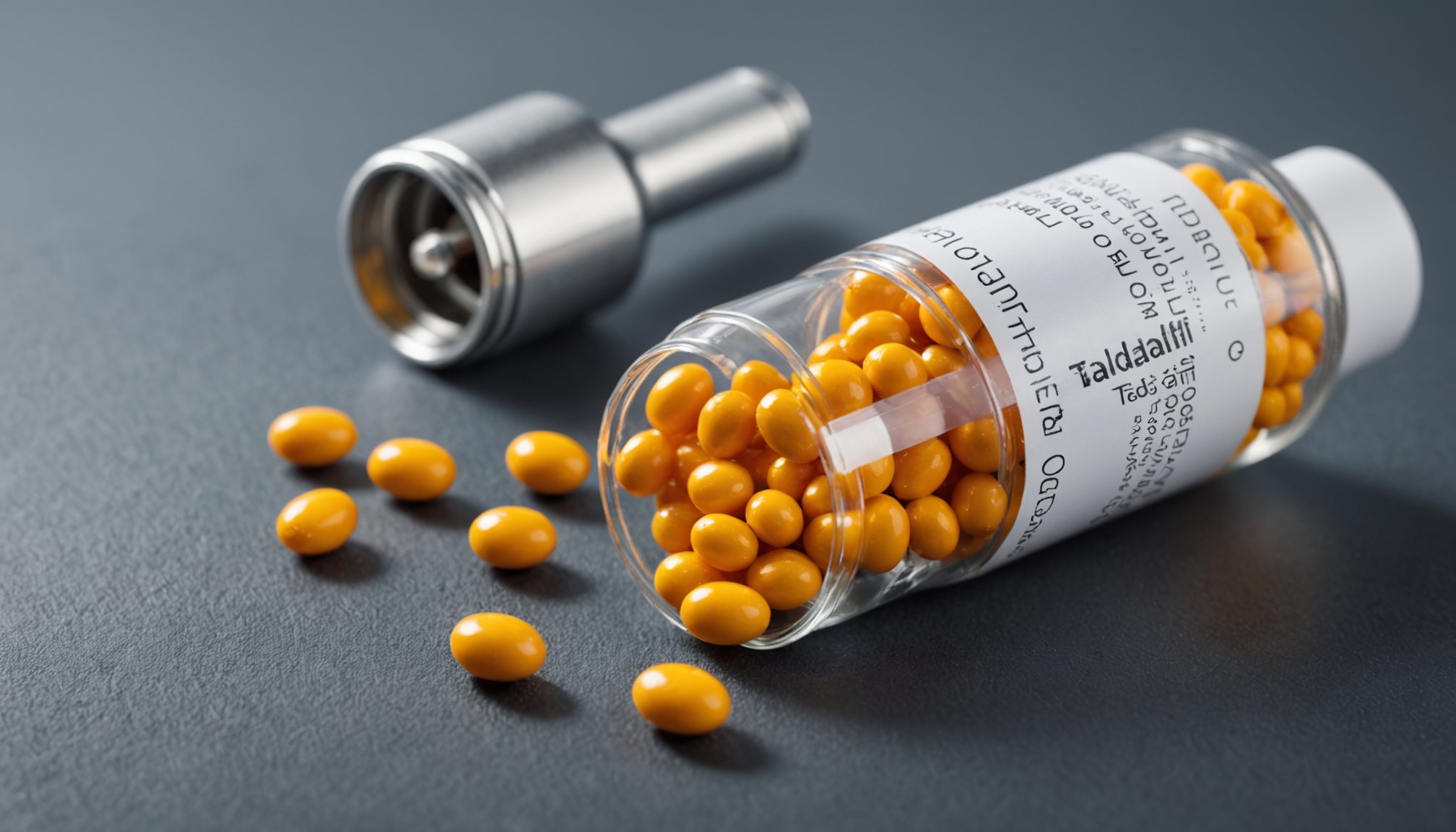
Cialis (tadalafil) — evidence‑based review (educational, not medical advice)
Quick summary
- Cialis is the brand name for tadalafil, a prescription medicine most commonly used for erectile dysfunction (ED).
- It works by improving blood flow in certain tissues through inhibition of the PDE‑5 enzyme.
- Strong evidence supports its effectiveness for ED and certain urinary symptoms from benign prostatic hyperplasia (BPH).
- Effects can last longer than similar medicines, which is why it’s sometimes called the “weekend pill.”
- Side effects are usually mild but can be serious in rare cases, especially with heart disease or nitrate use.
What is known
What Cialis is
Cialis is a brand‑name medication containing tadalafil. It belongs to a class of drugs called phosphodiesterase type 5 (PDE‑5) inhibitors. Other medicines in this class include sildenafil and vardenafil. Cialis is approved by major regulatory agencies, including the U.S. Food and Drug Administration (FDA) and the European Medicines Agency (EMA).
How it works (mechanism of action)
During sexual stimulation, the body releases nitric oxide, which helps relax smooth muscle and increase blood flow. PDE‑5 normally breaks down a chemical messenger (cGMP) involved in this process. Tadalafil blocks PDE‑5, allowing cGMP to persist longer. The result is improved blood flow in specific tissues, particularly the penis. Importantly, Cialis does not cause an automatic erection; sexual stimulation is still required.
Conditions with strong evidence
- Erectile dysfunction (ED): Multiple randomized controlled trials show Cialis improves the ability to achieve and maintain an erection compared with placebo.
- Benign prostatic hyperplasia (BPH) symptoms: Evidence supports modest improvement in urinary symptoms such as weak stream or frequent urination.
How long it lasts
One distinctive feature of Cialis is its long half‑life. Effects may last up to 36 hours in some people. This does not mean an erection lasts that long, but rather that the window of responsiveness to sexual stimulation is extended.
Common side effects
Most side effects are mild to moderate and temporary. Commonly reported effects include headache, flushing, nasal congestion, indigestion, and back or muscle pain. These usually resolve on their own.
What is unclear / where evidence is limited
Despite extensive research, some areas remain uncertain:
- Long‑term daily use in younger, otherwise healthy men: Data beyond several years are limited.
- Benefits for sexual performance without ED: Evidence does not clearly support use in people without diagnosed erectile dysfunction.
- Effects on female sexual dysfunction: Research results are mixed and inconclusive.
- Use in combination with supplements: Safety and effectiveness with herbal or over‑the‑counter sexual enhancers are not well studied.
Overview of approaches
Cialis is one of several PDE‑5 inhibitors available. Choice among them often depends on duration of action, side‑effect profile, cost, and individual preference rather than major differences in effectiveness.
Typical dosing patterns (for informational purposes only) are described in official prescribing information. For authoritative details, see the FDA‑approved label:
FDA Cialis (tadalafil) prescribing information.
Non‑drug approaches may also play a role in sexual health, including management of cardiovascular risk factors, mental health support, and relationship counseling. These are often discussed alongside medication in clinical guidelines.
| Statement | Confidence level | Why |
|---|---|---|
| Cialis is effective for erectile dysfunction | High | Supported by many large randomized controlled trials and guidelines |
| Cialis improves urinary symptoms of BPH | Medium–High | Consistent trial data, but effect size is modest |
| Cialis enhances sexual performance in men without ED | Low | Limited and inconsistent evidence |
| Long‑term daily use is risk‑free | Low | Long‑term safety data are limited beyond approved indications |
Practical recommendations
- General safety: Never combine Cialis with nitrate medications (often used for chest pain), as this can cause dangerous drops in blood pressure.
- When to see a doctor: Seek medical advice if erectile problems persist, worsen, or are accompanied by chest pain, shortness of breath, or fainting.
- Preparation for a consultation: Be ready to discuss current medications, heart health, blood pressure, and any side effects experienced.
- Lifestyle measures: Regular exercise, smoking cessation, limiting alcohol, and managing stress can support overall vascular and sexual health.
For broader health context, you may find related site sections useful, such as updates in health news, general topics under uncategorized medical posts, or ongoing health projects.
Sources
- U.S. Food and Drug Administration (FDA). Cialis (tadalafil) Prescribing Information.
- European Association of Urology (EAU) Guidelines on Sexual and Reproductive Health.
- American Urological Association (AUA). Erectile Dysfunction Clinical Guidelines.
- National Institutes of Health (NIH). MedlinePlus: Tadalafil.